Across many jurisdictions, communities are rethinking how they approach intersection safety. Changes to enforcement rules, shifting public expectations, and tighter budgets are pushing transportation leaders to look beyond single-purpose tools. What is emerging instead is a more balanced model, one that combines enforcement with proactive, data-driven safety strategies.
A recent smart intersection pilot proposal in Ontario, Canada, offers a useful lens into where this shift is heading. While the pilot itself is local, the lessons are widely applicable.
At its core, the initiative pairs two ideas that are often discussed separately.
First, targeted enforcement through red-light cameras to address one of the most dangerous behaviors at intersections.
Second, a time-limited, non-enforcement pilot that uses advanced sensing and analytics to understand how an intersection actually behaves in real-world conditions.
Red-light running remains a leading cause of serious intersection collisions worldwide. Enforcement plays an important role here. Automated systems operate consistently, reduce reliance on limited police resources, and tend to deliver lasting behavioral change over time.
When designed properly, they also meet strict evidentiary and legal standards, which is essential for public trust.
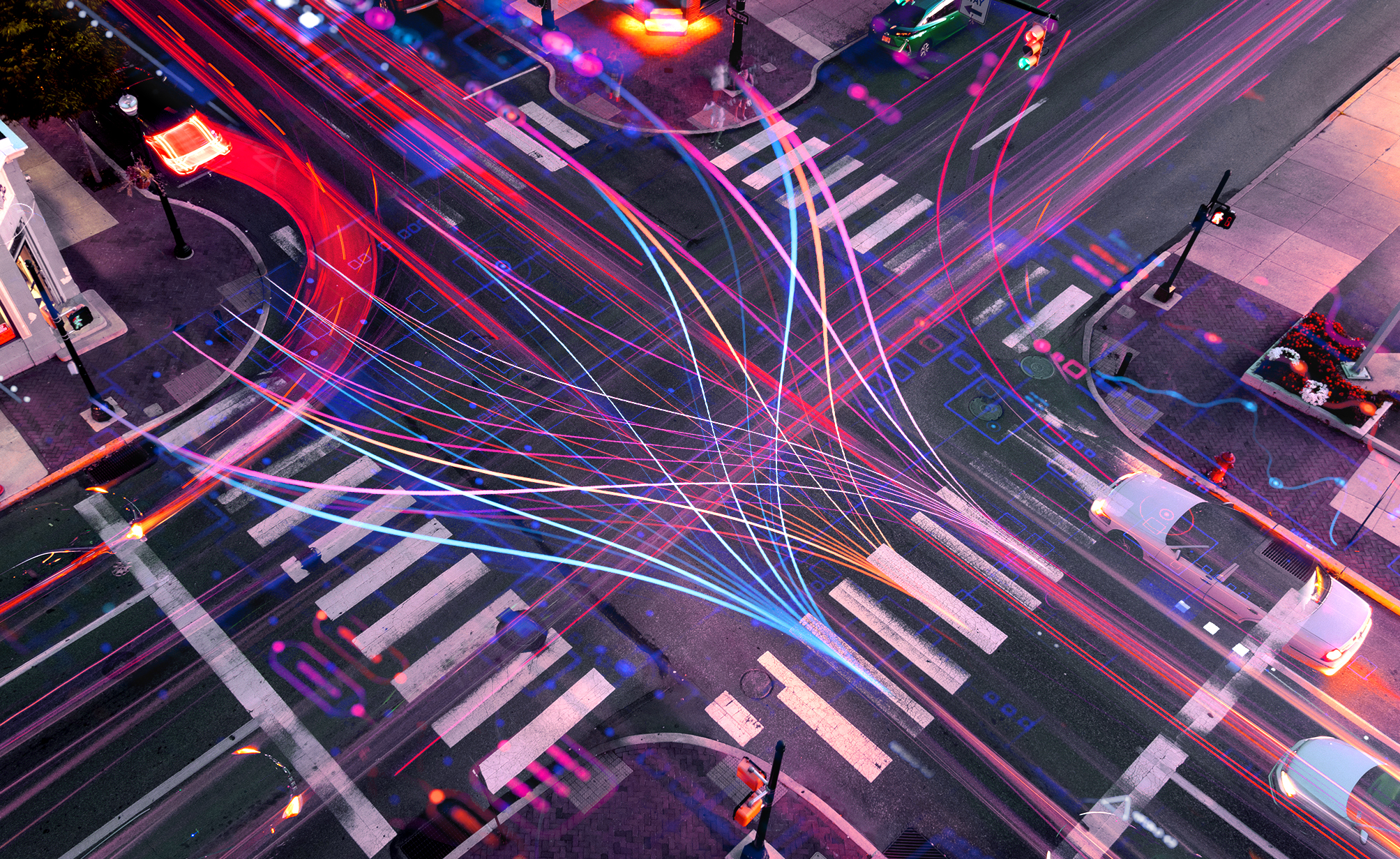
What makes pilots like this especially interesting is what happens alongside enforcement. By running a smart intersection system in observation-only mode, municipalities can gather objective data without issuing tickets or altering infrastructure. Traffic volumes, turning movements, delays, near-miss activity, and collision patterns become visible in ways that traditional counts or manual studies rarely capture.
This kind of data supports better decisions long before a crash occurs. It allows planners to see where conflicts are forming, how signal timing affects safety, and whether vulnerable road users are being exposed to unnecessary risk. It also provides insight into emergency vehicle movement through signalized intersections, identifying delays or conflicts without requiring any equipment inside the vehicles themselves.
Smart intersection pilots give municipalities something they rarely have today: objective, real-world insight into risk before a serious collision occurs.
The broader implication is that enforcement and proactive safety are not competing approaches. They are complementary. Enforcement addresses known high-risk behaviors. Data-led observation helps identify emerging risks, optimize signal performance, and guide future investment with evidence rather than assumptions.
Another important aspect of these pilots is governance. Time-limited evaluations with no permanent changes give councils and transportation agencies full control. Data is gathered, findings are reported, and decisions about next steps remain deliberate and transparent. This structure lowers barriers to experimentation and encourages learning.
As the global transportation community gathers at forums like Intertraffic in Amsterdam, the conversation is increasingly moving in this direction. Cities are asking how to extract more value from their intersections, not just in terms of compliance, but in terms of insight. The ability to see patterns, anticipate problems, and intervene earlier is becoming just as important as enforcing the rules of the road.
At Global Traffic Group, this balanced approach is central to how we think about safety. Our work spans enforcement systems and advanced traffic data pilots because we have seen how powerful they are together. Pilots allow agencies to experience the value firsthand, using their own streets and their own data, before committing to long-term programs.
The takeaway for any jurisdiction is simple. Intersection safety is no longer limited to reacting to collisions after they happen.
With the right tools and a measured pilot approach, it is possible to understand risk earlier, design smarter interventions, and ultimately save lives through both prevention and enforcement.